New house… water under the floor?!
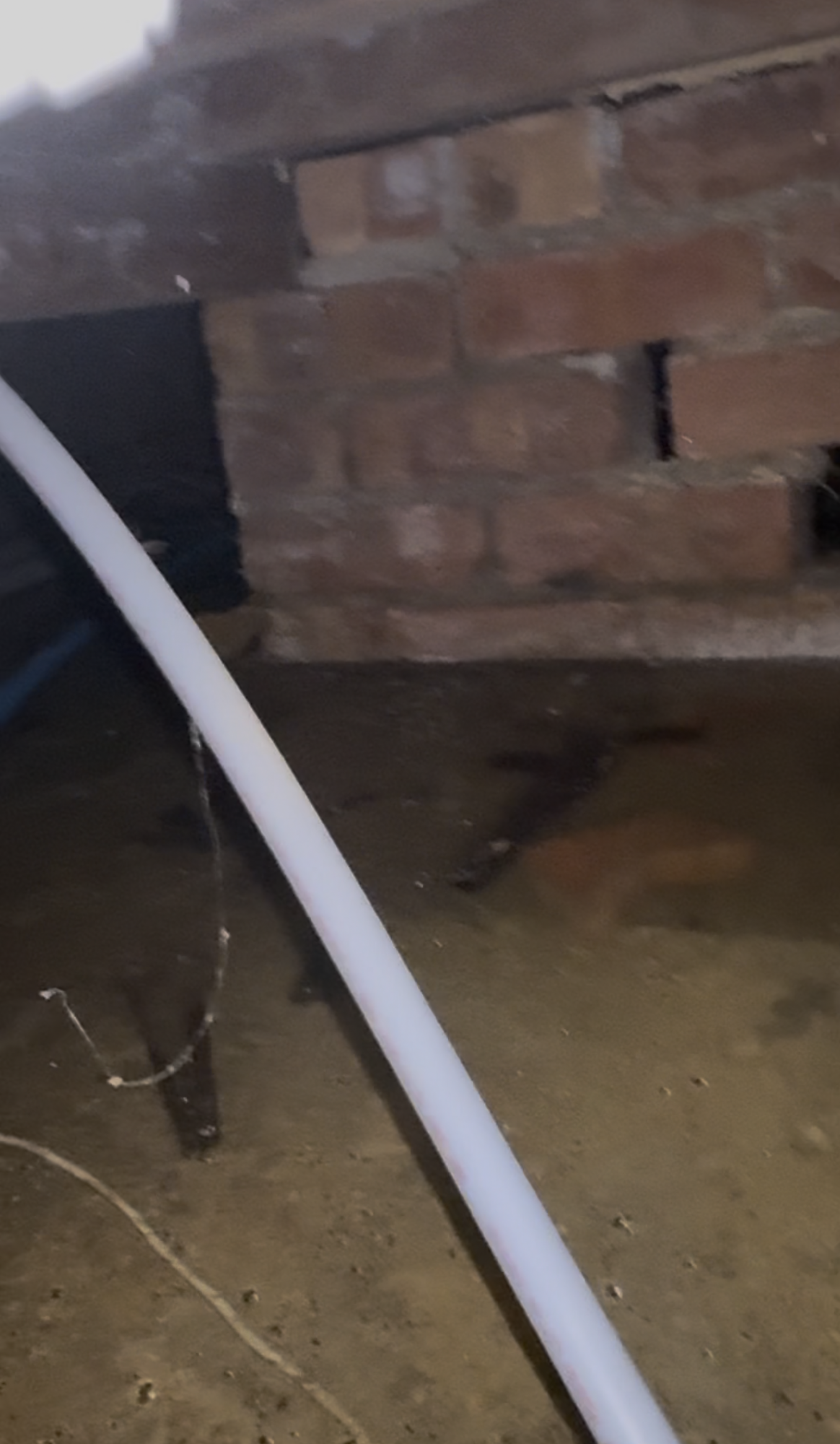
Surely a nightmare situation, right?
That’s exactly what it felt like when we lifted the carpets in our new place—only to discover water sitting beneath the floorboards. Not exactly the “fresh start” vibe we were going for.
The discovery
This little surprise revealed itself while we were replacing carpets and tightening a few squeaky boards. One lifted panel later… and yep, water. Under the house. Brilliant.
Before spiraling, we grabbed a head torch (seriously—get one, it makes life so much easier - I can highly recommend the Petzl Actik Core) and took a proper look around.
The good news (finally)
Thankfully, it wasn’t all doom and gloom:
- The damp proof course was well above the water line
- The timber beams were in great condition
- No signs of rot or mould lurking around
So, while it looked dramatic, structurally things were solid. Huge relief.
The fix
Rather than panic-calling in expensive help, we went the DIY route.
We picked up a compact pump with a low minimum water level—perfect for shallow pooling like this. We also tweaked the float switch so it could run more consistently (since there wasn’t quite enough water for it to self-prime properly) - putting the float switch locked above the pump meant it would run continuously when power was provided.
We chose the TIP Drain press 3200/24 - and it worked great, remember to look for a puddle pump for this kind of operation as you want to get the water as low as possible, and usually pumps have quite a high minimum depth before they will start, self-prime and pump.
Setup was simple enough:
- Pump placed under the floor
- Hose routed out beneath the house
- Power cable run neatly alongside
Now, during heavy rainfall, we just switch it on occasionally and let it do its thing.
The mystery of the water
Turns out, the water wasn’t coming from a leak at all.
Once we’d pumped most of it out, we noticed something interesting—water bubbling up through small holes in the concrete slab, almost like a mini spring.
The likely culprit? Clay soil. If you live in a clay-heavy area like we do, water doesn’t drain well—it runs off and can collect under your foundations instead.
Airflow matters
One thing that worked in our favour: good ventilation.
The air bricks under the house are doing their job, keeping airflow moving and moisture levels down. No musty smells, no mould build-up, phew.
Tools that saved the day
Quick tip: don’t underestimate the right tools, they'll save you hours of wasted time.
Cable rods (we grabbed ours from Screwfix, but these look like the same cable rods) were absolute heroes for threading the hose and cables through tight spaces. We tried other methods first… and lost both time and tools in the process. Learn from our mistakes—just get the rods.
Threading a hose out under the floorboard and routing a power cable, now means we have the pump situated at the lowest point of the foundations and can remotely turn it on/off after periods of high rain.
Final thoughts
All in all, what felt like a disaster turned into a pretty manageable DIY fix. The pump shifts water slowly enough to avoid dragging debris through it, and the setup is easy to run whenever needed.
New house problems? Yes.
End of the world? Thankfully, no.